
Fresh vs. Frozen: A Meal Prepper’s Guide to Buying Vegetables
I’ve been meal prepping for a while now, and one thing I’ve learned is that having a solid strategy for buying vegetables can make all the difference. Whether I’m planning a week’s worth of lunches or just want to have some healthy options on hand, I need to know when to reach for fresh and when to opt for frozen. This time of year, with Spring in full swing and Easter just around the corner, I’m excited to get outside and enjoy some fresh air – and fresh veggies.
Seasonal Produce: When to Buy Fresh
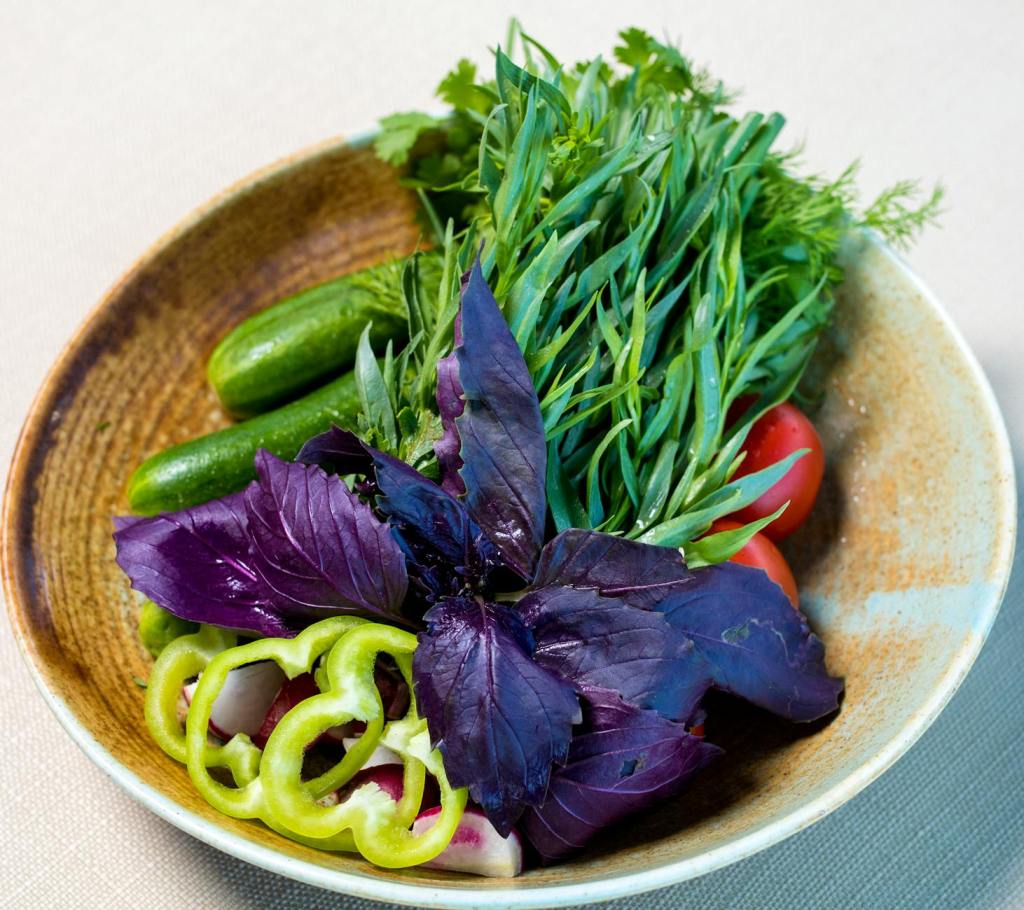
For me, there’s nothing like biting into a crunchy, fresh carrot or bell pepper. When it’s in season, I try to buy fresh vegetables as much as possible. Not only do they taste better, but they’re often cheaper than out-of-season produce. Right now, I’m loving the spring vegetables like asparagus, spinach, and radishes – they’re perfect for adding some color and flavor to my meal prep containers. I usually try to shop at my local farmer’s market on the weekends, where I can find great deals on fresh produce and support local farmers. A bunch of fresh asparagus, for example, might cost me around $3 – a steal compared to the $6 I’d pay at the supermarket.
Some of my favorite spring recipes include a simple roasted asparagus with lemon and parmesan, or a hearty spinach and feta stuffed chicken breast. These dishes are perfect for outdoor eating, whether I’m packing a picnic or just enjoying a quick lunch on my back patio.
Frozen Vegetables: A Convenient Alternative
That being said, there are definitely times when frozen vegetables are the way to go. When I’m short on time or just need to stock up my freezer, I opt for frozen. Frozen veggies are often just as nutritious as their fresh counterparts, and they’re usually a lot cheaper. Plus, they’re already chopped and ready to go, which saves me a ton of prep time. I like to keep a stash of frozen broccoli, cauliflower, and peas on hand for adding to soups, stir-fries, and other meals. A 1-pound bag of frozen broccoli might cost me around $2, compared to $4 for a fresh bunch.
Some of my go-to recipes using frozen veggies include a quick and easy stir-fry with frozen peas and carrots, or a hearty broccoli soup that’s perfect for a chilly spring evening. These dishes are great for meal prep, as they can be made in bulk and reheated throughout the week.
Practical Tips for Buying and Storing Vegetables
Whether I’m buying fresh or frozen, I try to be mindful of how I’m storing my vegetables. For fresh produce, I like to keep it in a cool, dry place – usually in the crisper drawer of my fridge. I also try to use up my fresh veggies within a few days of buying them, to avoid waste and save money. For frozen veggies, I just toss them in the freezer and use them as needed. Some other tips I’ve learned along the way include:
- Buy in bulk: If I know I’m going to be using a lot of a particular vegetable, I try to buy it in bulk to save money.
- Shop sales: I always check the weekly ads for my local grocery stores to see what’s on sale, and plan my meals accordingly.
- Don’t be afraid to get creative: Some of my favorite recipes have come from experimenting with new vegetables and flavor combinations.
As I’m writing this, I’m sitting in my kitchen surrounded by the aftermath of a meal prep session – containers stacked everywhere, and a few art prints on the wall to add some visual interest. If you’re trying to make your kitchen or dining space feel a bit more put-together, I’ve been into art prints lately — there’s a solid collection of landscape and abstract prints at Printsofprint on Etsy if you want to browse.
So, what do you use for your meal prep – fresh, frozen, or a mix of both?

Leave a comment