
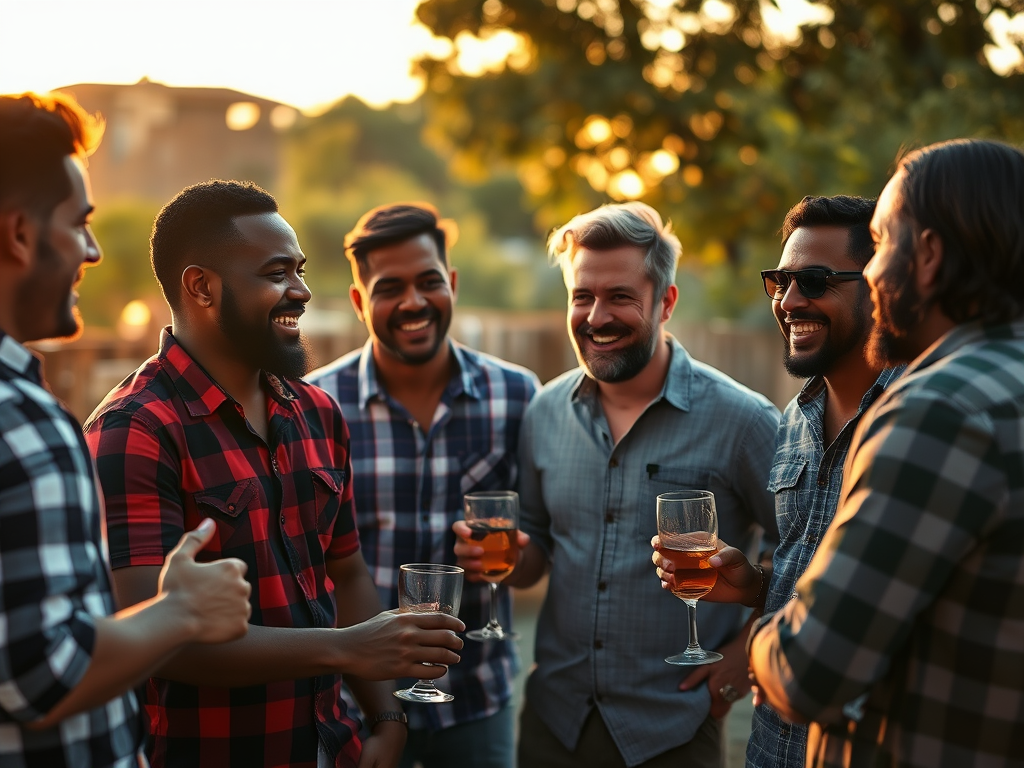
For many men, alcohol isn’t just a beverage—it’s woven into the fabric of social connection, stress relief, celebration, and masculine identity. From post-work beers to weekend barbecues, business dinners to sporting events, drinking often feels inseparable from male social life. But a growing number of men are discovering that reducing or eliminating alcohol doesn’t diminish their social connections or masculine identity—it enhances nearly every other aspect of their lives.
This isn’t about moral judgment or labeling anyone an alcoholic. It’s about honestly examining whether your relationship with alcohol is serving your goals for health, relationships, performance, and overall life satisfaction. The answer might surprise you.
The Cultural Drinking Pressure
Masculinity and Alcohol Mythology Beer commercials, whiskey ads, and cultural messaging have created a mythology that ties alcohol consumption to masculine traits: toughness, social confidence, celebration of achievement, and bonding with other men. This creates psychological pressure to drink even when you don’t particularly want to or when alcohol interferes with other goals.
The irony is that many traditionally masculine traits—physical strength, mental clarity, emotional resilience, and leadership capacity—are actually enhanced by reducing alcohol consumption.
Social Lubrication Dependency Many men rely on alcohol as social lubrication, believing they’re more confident, funnier, or better at connecting with others after drinking. While alcohol can temporarily reduce social anxiety, this dependency often prevents the development of genuine social confidence and communication skills.
The men who are most socially successful often possess natural confidence and connection abilities that alcohol can actually impair rather than enhance.
Stress Relief Substitution After stressful work days or challenging life periods, alcohol often becomes the default stress management tool. The problem is that while alcohol provides temporary stress relief, it actually increases cortisol levels and disrupts the sleep quality necessary for genuine stress recovery.
This creates a cycle where alcohol temporarily relieves stress while ultimately increasing your baseline stress levels and reducing your natural stress resilience.
The Hidden Performance Costs
Sleep Architecture Destruction Even moderate alcohol consumption significantly disrupts sleep quality. While alcohol might help you fall asleep faster, it prevents the deep, restorative sleep phases necessary for hormone production, muscle recovery, and cognitive processing.
Poor sleep from alcohol consumption affects testosterone production, mood regulation, immune function, and cognitive performance—essentially undermining many of the goals that drive men to prioritize their health and performance.
Physical Performance Impact Alcohol interferes with protein synthesis, muscle recovery, fat metabolism, and hydration status. Men who are serious about fitness often notice dramatic improvements in strength gains, endurance, and body composition when they reduce or eliminate alcohol.
The empty calories from alcohol also make body composition goals significantly more difficult to achieve, often without men realizing the connection.
Cognitive and Professional Costs Even small amounts of alcohol affect decision-making, focus, creativity, and emotional regulation for 24-48 hours after consumption. For men in demanding careers or leadership positions, this cognitive drag can impact professional performance and advancement opportunities.
The mental clarity and consistent energy that comes with reduced alcohol consumption often leads to noticeable improvements in work quality and career trajectory.
The Relationship and Emotional Impact
Authentic Connection Barriers While alcohol can temporarily reduce social inhibitions, it often prevents the development of genuine intimacy and emotional connection. Many men discover that their relationships become deeper and more satisfying when they learn to connect authentically without alcohol as a social crutch.
This includes romantic relationships, friendships, and family connections that often improve dramatically when alcohol isn’t mediating the interactions.
Emotional Regulation Interference Alcohol affects the brain’s ability to process emotions, manage stress, and maintain emotional stability. Men who struggle with irritability, mood swings, or emotional reactivity often find significant improvements when they address their alcohol consumption.
The emotional resilience and stability that comes with sobriety often enhances leadership abilities, parenting capacity, and relationship satisfaction.
The Sobriety Spectrum
All-or-Nothing vs. Moderation Reducing alcohol consumption doesn’t require complete abstinence for everyone. Some men benefit from “dry January” challenges, sober weekdays, or limiting drinking to special occasions. Others find that complete sobriety works better for their goals and lifestyle.
The key is honest self-assessment about what level of alcohol consumption actually serves your life goals versus what you consume out of habit, social pressure, or emotional management.
Sober Curious Movement The “sober curious” approach encourages experimentation with periods of sobriety to observe the impacts on health, relationships, and life satisfaction without committing to permanent abstinence.
This approach removes the pressure and identity implications of “quitting drinking” while allowing honest evaluation of alcohol’s role in your life.
Practical Sobriety Strategies
Social Situation Navigation Have a plan for social situations that typically involve drinking. This might include bringing your own non-alcoholic beverages, suggesting alternative activities, or simply being comfortable ordering club soda with lime without explanation.
Most people care far less about your drinking choices than you imagine, and many will respect your commitment to health and goals.
Alternative Stress Management Develop effective stress relief strategies that don’t involve alcohol: exercise, meditation, nature time, creative pursuits, or meaningful conversations. These alternatives often provide better stress relief while improving rather than undermining your long-term health.
Non-Alcoholic Alternatives The quality of non-alcoholic beers, wines, and spirits has improved dramatically. Having satisfying alternatives can ease the social and psychological transition away from alcohol while maintaining familiar rituals and flavors.
Identity and Social Circle Evolution Be prepared for some social relationships to change as your drinking habits evolve. Some friendships that were primarily based on drinking activities may fade, while you’ll likely develop deeper connections with people who share your values around health and authentic connection.
The Compound Benefits
Physical Health Improvements Men who reduce or eliminate alcohol typically experience better sleep, increased energy, improved body composition, enhanced immune function, better skin, and reduced inflammation. These changes often happen faster than expected and create positive momentum for other health improvements.
Mental Clarity and Performance Consistent mental clarity, improved focus, better decision-making, and enhanced creativity often become apparent within weeks of reducing alcohol consumption. These cognitive improvements can have significant impacts on career performance and personal goal achievement.
Financial and Time Benefits The money saved on alcohol, bar tabs, and alcohol-related expenses often adds up to thousands of dollars annually. The time previously spent drinking or recovering from drinking becomes available for more meaningful and productive activities.
Relationship Enhancement Many men report that their relationships with partners, children, and friends improve significantly when alcohol isn’t influencing their interactions. Authentic connection, emotional availability, and consistent presence often enhance relationship satisfaction for everyone involved.
Getting Started
The 30-Day Experiment Consider a 30-day break from alcohol to observe the impacts on your sleep, energy, mood, relationships, and goal progress. This timeframe is long enough to experience benefits while short enough to feel manageable.
Track how you feel physically, mentally, and emotionally throughout the experiment to gather objective data about alcohol’s impact on your life.
Community and Support Connect with other men who are exploring sobriety or reduced drinking. Online communities, local meetup groups, or simply friends who share similar health goals can provide support and accountability.
Professional Support When Needed If you find it difficult to reduce or stop drinking despite negative consequences, consider speaking with a healthcare provider or addiction specialist. Seeking help is a sign of strength and wisdom, not weakness.
Redefining Social Masculinity
Being the man who doesn’t need alcohol to be confident, social, or successful often commands more respect than being known as someone who can “hold their liquor.” Leadership, authenticity, and genuine connection are masculine traits that are enhanced rather than diminished by sobriety.
Many men discover that reducing or eliminating alcohol actually enhances their sense of masculine identity by improving their physical capabilities, mental clarity, emotional resilience, and relationship quality.
The Bottom Line
Your relationship with alcohol deserves honest evaluation just like any other aspect of your health and lifestyle. If alcohol is serving your goals for health, relationships, and life satisfaction, then moderate consumption might work for you. If it’s interfering with sleep, performance, relationships, or goal achievement, then changes might be worth considering.
The men who thrive in their careers, relationships, and health often share one common trait: they make decisions based on what actually serves their long-term goals rather than what’s socially expected or temporarily comfortable.
What kind of man do you want to be, and does your current relationship with alcohol support or undermine that vision?
If you’re concerned about your drinking patterns or experience withdrawal symptoms when trying to reduce alcohol consumption, consult with a healthcare professional or addiction specialist.

Leave a comment