
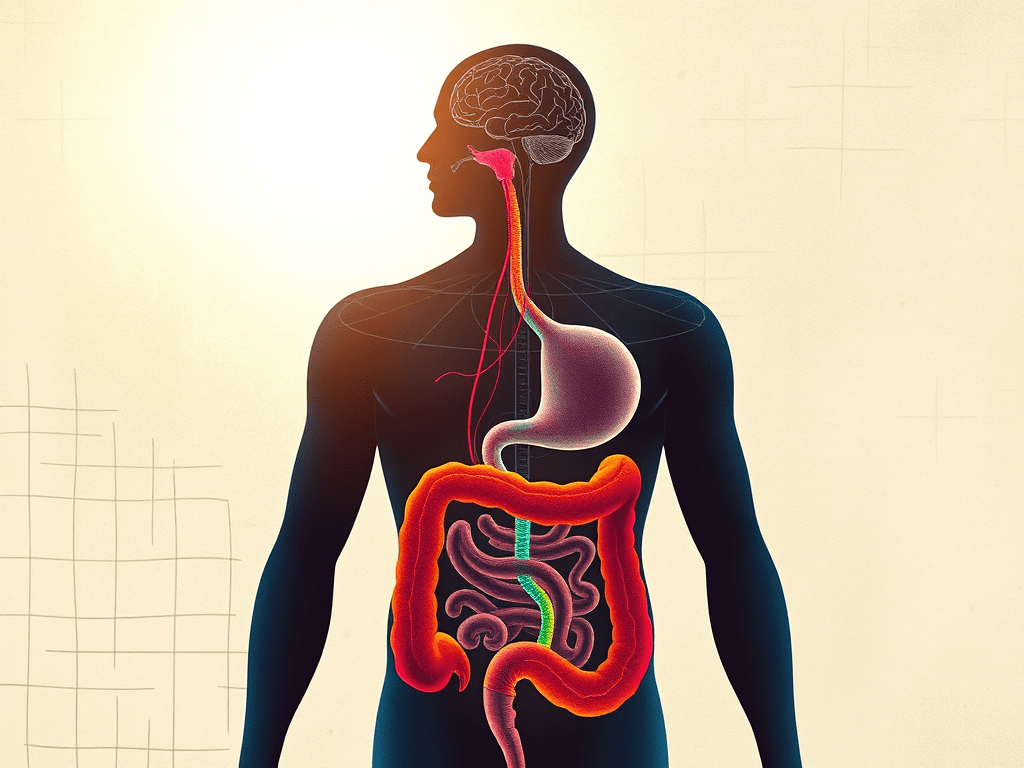
Your gut does more than process food—it produces 90% of your body’s serotonin, houses 70% of your immune system, and communicates directly with your brain through what scientists call the gut-brain axis. For men, digestive health issues often get dismissed as minor inconveniences or natural consequences of poor eating habits, but emerging research shows that gut health fundamentally impacts mood, energy, immune function, and even testosterone production.
The modern male lifestyle—high stress, processed foods, irregular eating patterns, alcohol consumption, and antibiotic use—creates a perfect storm for digestive dysfunction. The result is a generation of men dealing with chronic digestive issues that affect far more than just bathroom habits.
The Male Digestive Challenge
Cultural Eating Patterns Men are more likely to eat larger portions, consume more processed foods, skip meals due to work demands, and use food as fuel rather than nourishment. The “eat whatever, whenever” approach that might have worked in your twenties often catches up with you as metabolism slows and stress increases.
Social eating patterns also play a role: business meals heavy on rich foods, weekend barbecues, sports-watching snack sessions, and using food as a social bonding mechanism can all contribute to digestive stress over time.
Stress and Digestion Connection Chronic stress—whether from work, finances, or relationships—directly impacts digestive function. Stress diverts blood flow away from the digestive system, reduces stomach acid production, and alters gut bacteria composition. This is why digestive symptoms often worsen during high-stress periods.
The masculine tendency to internalize stress rather than express it can exacerbate these digestive impacts, creating a cycle where stress causes digestive problems, which create more stress and worry.
Medication and Lifestyle Impacts Many medications commonly prescribed to men—blood pressure medications, cholesterol drugs, pain relievers, and antibiotics—can disrupt gut bacteria and digestive function. Add in alcohol consumption, caffeine reliance, and irregular sleep patterns, and the digestive system faces constant challenges.
The Gut-Brain Connection
Mood and Mental Health The gut produces more serotonin than the brain, which explains why digestive issues often correlate with mood problems. Men with chronic digestive problems report higher rates of anxiety, depression, and irritability. Conversely, improving gut health often leads to mood improvements that feel almost miraculous.
The gut also produces GABA, a neurotransmitter that promotes calm and relaxation. Digestive dysfunction can reduce GABA production, contributing to anxiety and sleep problems.
Cognitive Function Brain fog, difficulty concentrating, and memory problems often have digestive roots. Inflammation from poor gut health can cross the blood-brain barrier and interfere with cognitive function. Many men report dramatic improvements in mental clarity when they address underlying digestive issues.
Energy and Fatigue If your digestive system isn’t efficiently extracting nutrients from food or if chronic inflammation is draining your energy reserves, you’ll feel tired regardless of how much sleep you get. Digestive health directly impacts your body’s ability to fuel itself effectively.
The Testosterone Connection
Gut Bacteria and Hormone Production Gut bacteria play a role in testosterone metabolism and production. Poor gut health can lead to increased inflammation, which suppresses testosterone production. Additionally, certain gut bacteria help metabolize hormones effectively, while others can interfere with this process.
Men with healthier gut microbiomes often have better hormone profiles, including more optimal testosterone levels and better stress hormone regulation.
Body Composition Impact Gut health affects how your body stores fat and builds muscle. Poor digestive function can lead to increased abdominal fat storage, reduced nutrient absorption, and difficulty maintaining lean muscle mass—all of which impact testosterone production and overall health.
Common Digestive Red Flags
Beyond Obvious Symptoms While stomach pain, bloating, and irregular bathroom habits are obvious signs of digestive problems, many men miss subtler indicators: persistent fatigue, mood changes, frequent illness, skin problems, joint pain, or brain fog can all have digestive roots.
The “Normal” Myth Many men assume that heartburn, bloating after meals, irregular bowel movements, or digestive discomfort are normal parts of aging or inevitable consequences of their lifestyle. These symptoms may be common, but they’re not normal or necessary.
Stress Response Patterns Pay attention to how your digestive system responds to stress. Increased symptoms during busy periods, digestive upset before important meetings, or stomach problems during relationship conflicts all indicate stress-related digestive dysfunction.
The Gut Health Foundation
Microbiome Diversity A healthy gut contains hundreds of different bacterial species that work together to digest food, produce vitamins, regulate immunity, and communicate with your brain. Modern lifestyles often reduce this diversity, leading to digestive and health problems.
The goal isn’t to eliminate all bacteria but to maintain a diverse, balanced microbiome that supports overall health.
Inflammatory vs. Anti-Inflammatory Foods Processed foods, excessive sugar, alcohol, and certain medications promote inflammatory gut bacteria, while whole foods, fiber-rich vegetables, and fermented foods support beneficial bacteria.
This doesn’t mean perfect eating, but it does mean being intentional about the balance between foods that support versus undermine gut health.
Practical Gut Health Strategies
Eat Like Your Gut Matters Include fermented foods like yogurt, kefir, sauerkraut, or kimchi regularly to introduce beneficial bacteria. Add prebiotic foods like garlic, onions, asparagus, and bananas that feed healthy gut bacteria.
Aim for 25-30 different plant foods per week to promote microbiome diversity. This doesn’t mean complicated meal planning—it means variety in vegetables, fruits, nuts, seeds, herbs, and spices.
Timing and Mindfulness Eat in a relaxed state when possible, chew food thoroughly, and avoid eating while distracted by work or screens. Your digestive system works best when your nervous system is in “rest and digest” mode rather than “fight or flight.”
Consider intermittent fasting or time-restricted eating to give your digestive system regular breaks and allow beneficial bacteria to thrive.
Hydration and Movement Adequate water intake supports digestive function, while regular movement helps food move through your system efficiently. Even brief walks after meals can improve digestion and reduce bloating.
Sleep and Stress Management Poor sleep and chronic stress disrupt gut bacteria and digestive function. Prioritizing 7-8 hours of quality sleep and finding effective stress management techniques often improve digestive symptoms as much as dietary changes.
The Elimination Approach
Identify Problem Foods Common digestive triggers for men include excessive alcohol, spicy foods, high-fat meals, caffeine, and certain medications. Pay attention to which foods consistently cause symptoms and consider temporary elimination to identify specific triggers.
Food Sensitivity Testing While not always necessary, some men benefit from professional food sensitivity testing to identify specific triggers. This is particularly helpful if symptoms are severe or don’t improve with general dietary modifications.
Professional Support
When to Seek Help Persistent digestive symptoms, significant changes in bathroom habits, unintentional weight loss, or symptoms that interfere with daily life warrant professional evaluation. Many digestive conditions are easily treatable when caught early.
Holistic Approach Consider working with healthcare providers who understand the gut-brain connection and take a comprehensive approach to digestive health, including dietary modifications, stress management, and appropriate testing when needed.
The Long-Term Investment
Gut health improvements often take weeks or months to fully manifest, but the benefits extend far beyond digestive comfort. Better gut health typically leads to improved mood, increased energy, better sleep, stronger immunity, and enhanced cognitive function.
Think of gut health as an investment in your overall wellbeing rather than just a solution to digestive problems. The gut truly is your second brain, and taking care of it pays dividends in every aspect of your health.
Starting This Week
Choose one gut-supportive change to implement: add a daily serving of fermented food, increase your vegetable variety, practice eating without distractions, or pay attention to which foods make you feel energized versus sluggish.
Remember that your gut health affects everything from your mood to your immune system to your hormone production. Taking care of your digestive system isn’t just about avoiding stomach problems—it’s about optimizing your entire body’s function.
Your gut is working 24/7 to support your health. Isn’t it time you returned the favor?
Persistent or severe digestive symptoms warrant evaluation by a healthcare professional to rule out serious conditions and develop an appropriate treatment plan.

Leave a comment