
Water is life – literally. Your body is approximately 60% water, and every single cell, tissue, and organ depends on proper hydration to function optimally. Yet despite water being the most fundamental nutrient we need, most people are chronically dehydrated without even realizing it.
Proper hydration isn’t just about drinking when you’re thirsty. It’s about maintaining optimal fluid balance throughout the day to support everything from cognitive function and physical performance to skin health and weight management. The quality of your hydration habits directly impacts your energy levels, mood, metabolism, and overall well-being.
In this comprehensive guide, we’ll explore the science of hydration, uncover the hidden signs of dehydration, and provide practical strategies to optimize your water intake for maximum health benefits. You’ll discover how something as simple as upgrading your hydration habits can be a game-changer for your wellness journey.
The Science of Hydration: Why Water Is Your Body’s Best Friend
Understanding Your Body’s Water System
Water serves countless critical functions in your body, acting as a transportation system, temperature regulator, lubricant, and chemical reactor. Every physiological process depends on adequate hydration – from nutrient absorption and waste elimination to joint lubrication and brain function.
Your body loses water constantly through breathing, sweating, urination, and even digestion. On average, you lose about 2-3 liters of water daily through normal bodily functions. This water must be replaced consistently to maintain optimal health and prevent the cascade of problems that come with dehydration.
Key Functions of Water in Your Body:
- Transports nutrients to cells and removes waste products
- Regulates body temperature through sweating and respiration
- Lubricates joints and cushions organs
- Maintains blood volume and circulation
- Supports digestion and nutrient absorption
- Enables cellular metabolism and energy production
- Maintains electrolyte balance
The Dehydration Epidemic
Studies suggest that up to 75% of Americans are chronically dehydrated, consuming far less water than their bodies need. This widespread dehydration contributes to numerous health issues that people often don’t connect to their hydration status.
Even mild dehydration (losing just 2% of your body weight in fluids) can significantly impact physical and mental performance. At this level, you might experience decreased concentration, increased fatigue, mood changes, and reduced physical endurance – all before you even feel thirsty.
The thirst mechanism isn’t a reliable indicator of hydration needs, especially as we age. By the time you feel thirsty, you’re already in the early stages of dehydration. This is why proactive hydration is so important for optimal wellness.
Hidden Signs You’re Not Drinking Enough Water
Physical Symptoms of Dehydration
Many common health complaints are actually symptoms of chronic dehydration that could be resolved by simply drinking more water consistently.
Early Warning Signs:
- Persistent fatigue and low energy
- Frequent headaches or migraines
- Dry mouth, lips, or skin
- Dark yellow urine (should be pale yellow)
- Constipation and digestive issues
- Muscle cramps or joint stiffness
- Dizziness or lightheadedness
- Increased cravings for sugary or salty foods
Advanced Dehydration Symptoms:
- Rapid heartbeat
- Confusion or difficulty concentrating
- Irritability and mood swings
- Decreased urination
- Sunken eyes or cheeks
- Extreme thirst
The Cognitive Connection
Your brain is approximately 85% water, making it particularly sensitive to hydration status. Even mild dehydration can impair cognitive function, affecting memory, concentration, alertness, and decision-making abilities.
Research shows that dehydration of just 1-2% can reduce cognitive performance by 10-15%. Students who drink water during exams consistently perform better than those who don’t. Workers who stay properly hydrated throughout the day maintain higher productivity and make fewer errors.
Skin Health and Aging
Proper hydration is one of the most effective anti-aging strategies available. Well-hydrated skin appears plumper, more radiant, and shows fewer fine lines and wrinkles. Dehydrated skin becomes dry, flaky, and more prone to premature aging.
Water helps maintain skin elasticity, supports the skin’s natural barrier function, and aids in the delivery of nutrients to skin cells. While topical moisturizers help, true skin hydration starts from within.
The Optimal Hydration Formula
How Much Water Do You Really Need?
The “8 glasses a day” rule is a starting point, but your individual needs depend on numerous factors including body size, activity level, climate, and overall health status.
Basic Calculation: Aim for half to one ounce of water per pound of body weight daily. A 150-pound person should drink 75-150 ounces of water per day, with the higher end needed for active individuals or those in hot climates.
Factors That Increase Water Needs:
- Physical exercise and sweating
- Hot or humid weather
- High altitude environments
- Illness, fever, or medication use
- Pregnancy and breastfeeding
- High fiber or high protein diets
- Alcohol or caffeine consumption
Quality Matters: Not All Water Is Equal
The source and quality of your water impacts its health benefits. While tap water is generally safe in developed countries, it may contain chlorine, fluoride, and other chemicals that affect taste and potentially health.
Water Quality Considerations:
- Filtered water removes chlorine, sediment, and some contaminants while retaining beneficial minerals
- Spring water naturally contains minerals that support hydration and health
- Distilled water lacks minerals and may not hydrate as effectively as mineral-containing water
- Alkaline water may offer additional health benefits, though research is still emerging
Timing Your Hydration
When you drink water is almost as important as how much you drink. Strategic timing can maximize the benefits and support your body’s natural rhythms.
Optimal Hydration Schedule:
- Upon waking: Drink 16-20 ounces to rehydrate after sleep and kickstart metabolism
- Before meals: Drink water 30 minutes before eating to aid digestion
- During exercise: Sip consistently to replace fluids lost through sweat
- Throughout the workday: Set reminders to drink regularly, not just when thirsty
- Before bed: Light hydration to support overnight recovery without disrupting sleep
The Psychology of Staying Hydrated
Making Water Irresistible
One of the biggest barriers to proper hydration is simply forgetting to drink water or finding it boring. The key is making hydration convenient, appealing, and automatic.
Flavor Enhancement Strategies:
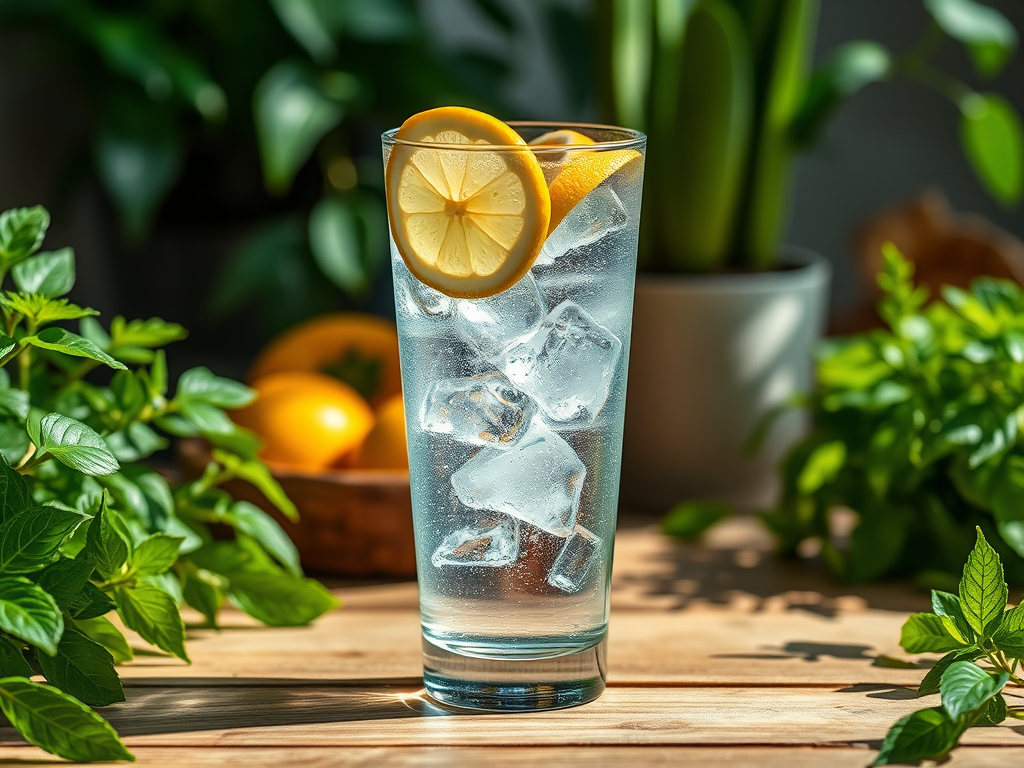
- Add fresh fruit slices (lemon, lime, cucumber, berries)
- Include herbs like mint, basil, or rosemary for natural flavor
- Try sparkling water with natural fruit essences
- Experiment with herbal teas served hot or cold
- Create fruit and herb ice cubes for visual appeal
The Power of the Right Water Bottle
Having the right water bottle can dramatically impact your hydration habits. The best water bottles make drinking water convenient, enjoyable, and effortless throughout the day.
Key Features to Look For:
- Size: Large enough to hold adequate water without being cumbersome (24-32 oz is ideal for most people)
- Insulation: Keeps water at the perfect temperature for hours
- Ease of use: Simple drinking mechanism that works one-handed
- Durability: Built to withstand daily use and occasional drops
- Easy cleaning: Wide mouth or removable parts for thorough cleaning
The Owala FreeSip Insulated Stainless Steel Water Bottle exemplifies these ideal features. Its innovative dual-drinking design lets you either sip through the built-in straw or tip and sip from the spout – perfect for different activities and preferences. The 24-ounce capacity is ideal for tracking daily intake, while the double-wall insulation keeps drinks cold for up to 24 hours. The attractive Beach House color adds a fun, motivational element that makes you want to reach for it throughout the day.
Creating Hydration Habits That Stick
Environmental Design:
- Keep water bottles in multiple locations (car, office, gym bag)
- Place visual reminders where you’ll see them regularly
- Use apps or smart bottles that track intake and send reminders
- Create ritual around drinking water (morning routine, pre-meal habit)
Social Support:
- Find a hydration buddy to check in with daily
- Join online communities focused on wellness and hydration
- Share your hydration goals with family and friends
- Make hydration a family activity with fun, colorful bottles for everyone
Hydration for Different Lifestyles
The Busy Professional
Office environments with artificial lighting, air conditioning, and stress can increase dehydration risk. Combat workplace dehydration with strategic planning.
Professional Hydration Strategy:
- Start each workday by filling a large water bottle
- Set hourly reminders to take several sips
- Keep water visible on your desk as a constant reminder
- Use bathroom breaks as hydration check-ins
- Choose water over coffee or soda for afternoon energy
The Active Individual
Exercise increases fluid needs significantly. Proper hydration before, during, and after workouts optimizes performance and recovery.
Exercise Hydration Protocol:
- 2-3 hours before: Drink 17-20 ounces of water
- 15 minutes before: Drink 8 ounces
- During exercise: Sip 7-10 ounces every 10-20 minutes
- After exercise: Drink 150% of fluid lost through sweat
Sports bottles with straws are particularly beneficial during exercise, allowing for quick, easy sips without interrupting activity or removing caps.
The Student
Academic performance directly correlates with hydration status. Students who maintain proper hydration show improved concentration, memory, and test performance.
Student Hydration Tips:
- Bring a water bottle to every class and study session
- Choose water over energy drinks for sustained focus
- Drink water during study breaks to refresh the mind
- Keep water by your bedside for morning and nighttime hydration
The Frequent Traveler
Travel disrupts normal hydration patterns through altitude changes, different climates, and irregular schedules. Airplane cabins are particularly dehydrating due to low humidity.
Travel Hydration Strategy:
- Drink extra water the day before traveling
- Bring an empty water bottle through security and fill it before boarding
- Drink 8 ounces of water for every hour of flight time
- Avoid excessive alcohol and caffeine during travel
- Continue increased hydration for 24 hours after arrival
Hydration and Weight Management
Water’s Role in Healthy Weight Loss
Proper hydration supports weight management through multiple mechanisms. Water increases satiety, boosts metabolism, and helps the body efficiently burn fat for energy.
Weight Loss Benefits:
- Drinking water before meals can reduce calorie intake by 13%
- Cold water temporarily increases metabolism as the body works to warm it
- Adequate hydration prevents mistaking thirst for hunger
- Water helps the body metabolize stored fat more efficiently
- Proper hydration reduces bloating and water retention
Replacing Liquid Calories
Many people consume significant calories through beverages without realizing it. Replacing sugary drinks, sodas, and high-calorie coffee drinks with water can create substantial calorie deficits.
Calorie Savings:
- Replace one 12-oz soda daily: Save 150 calories (15+ pounds per year)
- Skip the daily latte: Save 250 calories (26+ pounds per year)
- Choose water over juice: Save 100-200 calories per serving
- Eliminate sports drinks: Save 80-140 calories per bottle
Hydration and Mental Health
The Mood-Water Connection
Dehydration significantly impacts mood, anxiety levels, and stress response. Studies show that even mild dehydration can increase cortisol levels and feelings of anxiety while decreasing overall mood and well-being.
Mental Health Benefits of Proper Hydration:
- Improved mood stability and emotional regulation
- Reduced anxiety and stress levels
- Better sleep quality and duration
- Enhanced mental clarity and decision-making
- Increased resilience to daily stressors
Hydration and Brain Health
Long-term brain health depends on consistent, adequate hydration. Chronic dehydration may contribute to cognitive decline and increase the risk of neurodegenerative diseases.
Water supports the brain’s waste removal system, helping clear toxins and metabolic byproducts that could otherwise accumulate and cause damage. This process, called the glymphatic system, is most active during sleep but requires proper hydration to function optimally.
Special Considerations for Optimal Hydration
Electrolyte Balance
Pure water isn’t always enough, especially during intense exercise or hot weather. Electrolytes – sodium, potassium, magnesium, and calcium – help your body retain and utilize water effectively.
Natural Electrolyte Sources:
- Coconut water for potassium
- Sea salt for sodium and trace minerals
- Leafy greens for magnesium
- Dairy products for calcium
- Fruits and vegetables for multiple electrolytes
Hydration During Illness
Fever, vomiting, diarrhea, and respiratory infections all increase fluid needs. Proper hydration supports immune function and speeds recovery.
During illness, focus on small, frequent sips rather than large amounts at once. Herbal teas, broths, and electrolyte solutions can be more appealing and beneficial than plain water.
Age-Related Hydration Needs
Hydration needs and challenges change throughout life:
Children: Higher surface area to body weight ratio increases fluid needs Teens: Rapid growth and increased activity require additional hydration Adults: Work stress and busy schedules often lead to inadequate intake Older adults: Decreased thirst sensation and kidney function require proactive hydration
Creating Your Personal Hydration Plan
Assessing Your Current Status
Before optimizing your hydration, understand your current patterns and needs.
Hydration Assessment:
- Track your current water intake for one week
- Note your urine color throughout the day (aim for pale yellow)
- Monitor energy levels and mood in relation to hydration
- Identify times when you forget to drink water
- Consider your individual risk factors and increased needs
Setting Realistic Goals
Start with achievable improvements rather than dramatic overnight changes. Gradual increases in water intake are more sustainable and allow your body to adjust.
Progressive Hydration Goals:
- Week 1-2: Increase current intake by 16-20 ounces daily
- Week 3-4: Add another 16-20 ounces and focus on timing
- Week 5-6: Optimize water quality and add natural flavors
- Week 7+: Fine-tune based on how you feel and perform
Tracking and Motivation
Tracking Methods:
- Water bottles with measurement markers
- Smartphone apps with reminders and progress tracking
- Simple tally marks on a notepad
- Smart water bottles that sync with fitness trackers
Motivation Strategies:
- Celebrate weekly hydration goals
- Notice and record improvements in energy and mood
- Share progress with friends or family
- Reward consistency with non-food treats
- Focus on how proper hydration makes you feel
Troubleshooting Common Hydration Challenges
“I Don’t Like the Taste of Water”
Plain water can seem boring, but there are countless ways to make it more appealing without adding calories or artificial ingredients.
Natural Flavor Solutions:
- Fruit-infused water with berries, citrus, or melon
- Herbal teas served hot or iced
- Sparkling water with fresh fruit
- Cucumber and mint combinations
- Frozen fruit used as flavorful ice cubes
“I Forget to Drink Water”
Modern life is full of distractions that can derail hydration habits. Create systems that make drinking water automatic.
Memory Solutions:
- Set hourly phone reminders
- Link water drinking to existing habits (drink after checking email)
- Use visual cues like rubber bands moved from wrist to wrist
- Choose a water bottle that you love looking at and using
- Place water bottles where you’ll see them regularly
“I Have to Use the Bathroom Too Often”
Initially, increased water intake will lead to more frequent urination as your body adjusts. This typically normalizes within 1-2 weeks as your bladder capacity and efficiency improve.
Minimizing Disruption:
- Spread water intake throughout the day rather than drinking large amounts at once
- Reduce intake 2-3 hours before bedtime
- Focus on sipping consistently rather than chugging
- Be patient as your body adapts to improved hydration
The Long-Term Benefits of Optimal Hydration
Physical Health Improvements
Consistent, proper hydration creates compound benefits that improve over time:
Short-term benefits (days to weeks):
- Increased energy and alertness
- Improved skin appearance
- Better digestion and regularity
- Enhanced mood and mental clarity
- Reduced headaches and muscle cramps
Long-term benefits (months to years):
- Healthier aging and appearance
- Reduced risk of kidney stones and urinary tract infections
- Better cardiovascular health
- Improved immune function
- Enhanced cognitive performance and memory
Performance Enhancement
Whether you’re an athlete, student, or professional, optimal hydration directly impacts your performance and results.
Athletic Performance:
- Improved endurance and strength
- Better temperature regulation
- Faster recovery between sessions
- Reduced risk of heat-related illness
- Enhanced coordination and reaction time
Cognitive Performance:
- Sharper focus and concentration
- Better memory formation and recall
- Improved problem-solving abilities
- Enhanced creativity and insight
- Reduced mental fatigue
Quality of Life Impact
Perhaps most importantly, proper hydration significantly improves overall quality of life. You’ll have more energy for activities you enjoy, better mood for relationships, and greater resilience for handling life’s challenges.
The investment in developing good hydration habits pays dividends in every area of your life, from your professional performance to your personal relationships to your long-term health and vitality.
Making Hydration a Lifestyle
Building Your Hydration Environment
Success with hydration, like any health habit, depends largely on your environment. Make hydration the easy, obvious choice by designing your surroundings to support this goal.
Home Setup:
- Keep filtered water easily accessible
- Place water bottles in every room you spend time in
- Make water more appealing than other beverages
- Create a beautiful water station with fruits for infusing
Work Setup:
- Invest in a high-quality water bottle that you love using
- Keep backup bottles or cups at your workspace
- Set up environmental cues and reminders
- Make water more convenient than other drink options
The Social Aspect of Hydration
Make hydration a shared value in your family and social circles. When everyone supports healthy hydration habits, it becomes easier and more enjoyable for everyone.
Family Hydration:
- Get matching or coordinating water bottles for family members
- Make infused water together as a fun family activity
- Turn hydration into friendly family challenges or games
- Model good hydration habits for children
Social Hydration:
- Suggest water-based activities with friends (hiking with water breaks, spa days)
- Bring beautiful water bottles to social gatherings
- Share hydration tips and recipes with friends
- Create accountability partnerships around wellness goals
Your Hydration Transformation Starts Now
Optimal hydration is one of the simplest yet most powerful steps you can take to improve your health, energy, and overall quality of life. Unlike complex diet plans or expensive supplements, proper hydration is accessible to everyone and provides benefits that you can feel almost immediately.
The key is starting where you are and making gradual, sustainable improvements. Choose a high-quality water bottle that you’ll enjoy using – something that makes drinking water feel like a treat rather than a chore. The right bottle becomes your constant companion, making hydration effortless throughout your day.
Remember that small, consistent actions create remarkable results over time. Every sip of water is an investment in your health, energy, and well-being. As you develop better hydration habits, you’ll notice improvements in your energy levels, mental clarity, physical performance, and overall sense of vitality.
Your body has been waiting for you to prioritize hydration. The benefits extend far beyond just feeling less thirsty – proper hydration is truly foundational to every aspect of your health and wellness.
Start today with one simple commitment: drink one extra glass of water right now, and then make a plan to continue that momentum throughout the week. Your future self will thank you for taking this essential step toward optimal health.
What’s your biggest hydration challenge? Have you noticed improvements in your energy or health when you drink more water? Share your hydration journey in the comments below and let’s support each other in building this fundamental wellness habit!

Leave a comment