
Are you tired of scrambling to figure out what’s for dinner every night? Do you find yourself ordering takeout more often than you’d like to admit? You’re not alone. Meal prep has become a game-changer for millions of busy people looking to take control of their eating habits, save money, and reduce daily stress.
Meal preparation, or “meal prep” as it’s commonly known, is the practice of planning and preparing your meals ahead of time. Whether you’re a busy professional, a parent juggling multiple schedules, or simply someone who wants to eat healthier without the daily hassle, meal prep can transform your relationship with food and free up valuable time during your week.
Why Meal Prep is Worth Your Time
Save Money Like Never Before
The average American household spends over $3,500 annually on dining out and takeout. When you meal prep, you’re buying ingredients in bulk and using everything you purchase, which can cut your food costs by 50-70%. Imagine having an extra $1,500-2,000 in your pocket each year just by planning ahead.
Reclaim Your Evenings
Picture this: you come home after a long day, and instead of staring into an empty fridge wondering what to make, you simply reheat a delicious, nutritious meal that’s ready in minutes. Meal prep gives you back 1-2 hours every weeknight that you can spend with family, pursuing hobbies, or simply relaxing.
Eat Healthier Without Thinking
When you’re hungry and unprepared, it’s easy to reach for processed foods or order pizza. With meal prep, healthy choices become the convenient choices. You’ll naturally eat more vegetables, control your portions, and avoid the sugar crashes that come with last-minute food decisions.
Getting Started: Your First Week of Meal Prep
Essential Equipment You’ll Need
Before diving in, having the right tools makes all the difference. Here’s what every meal prepper should have:
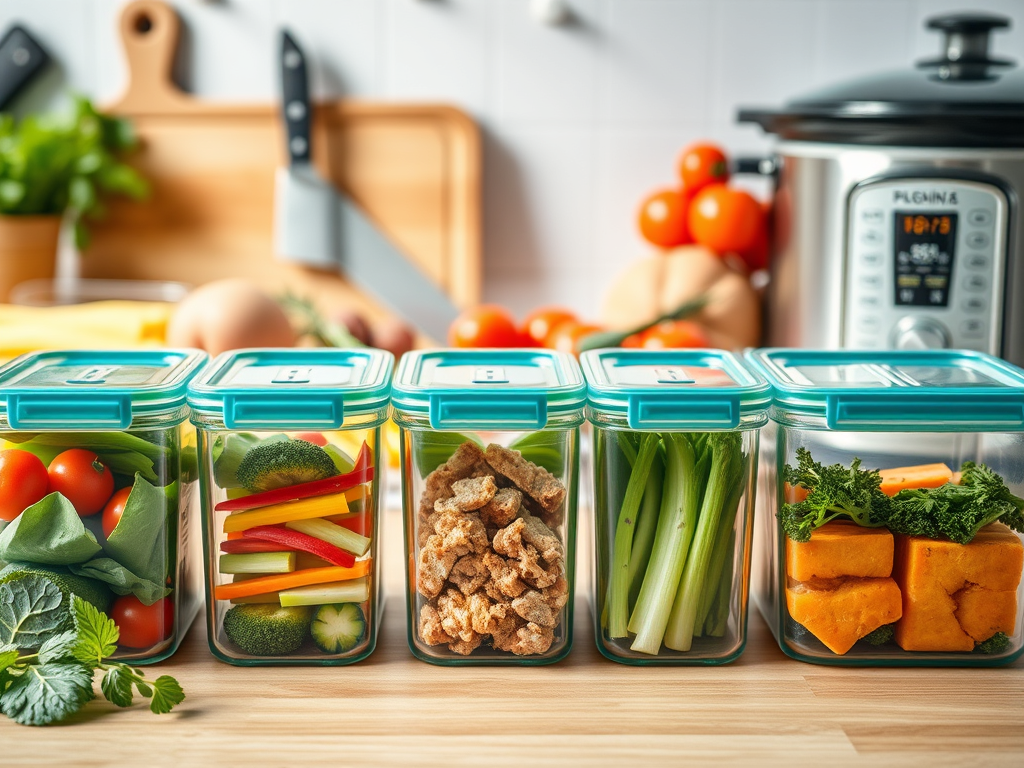
Storage Containers: Glass containers with tight-fitting lids are ideal because they’re microwave-safe, don’t absorb odors, and last for years. Look for various sizes – small ones for snacks and sauces, medium for single servings, and large for family portions.
Sharp Knives: A good chef’s knife will cut your prep time in half. When your knife glides through vegetables effortlessly, chopping becomes less of a chore.
Cutting Boards: Have at least two – one for raw meat and one for everything else to prevent cross-contamination.
Sheet Pans: These are perfect for roasting multiple vegetables or proteins at once. The more you can cook simultaneously, the more efficient your prep becomes.
Slow Cooker or Instant Pot: These appliances are meal prep gold. Set them up in the morning, and you’ll come home to perfectly cooked proteins that can be portioned out for the week.
Planning Your First Week
Start small – don’t try to prep every meal right away. Choose either lunches or dinners for your first week. Here’s a simple framework:
Sunday Planning Session (30 minutes): Decide on 3-4 recipes for the week. Check what you already have at home and make your grocery list. Aim for recipes that share ingredients to minimize waste and cost.
Shopping Day: Stick to your list, but don’t be afraid to substitute if you find better deals on seasonal produce. Flexibility saves money.
Prep Day (2-3 hours): Most people find Sunday afternoons work best, but choose whatever day gives you the most uninterrupted time.
5 Beginner-Friendly Meal Prep Recipes
1. Mediterranean Chicken Bowls
This colorful, nutritious meal provides protein, healthy fats, and complex carbohydrates.
Ingredients (serves 4):
- 4 chicken breasts
- 2 cups quinoa
- 2 cucumbers, diced
- 2 cups cherry tomatoes, halved
- 1 red onion, thinly sliced
- 1 cup kalamata olives
- 8 oz feta cheese, crumbled
- Olive oil, lemon juice, oregano, salt, and pepper
Instructions: Season chicken with oregano, salt, and pepper. Bake at 375°F for 25 minutes. While chicken cooks, prepare quinoa according to package directions. Combine vegetables in a large bowl with olive oil and lemon juice. Once chicken rests for 5 minutes, slice and divide everything into containers.
2. One-Pan Sausage and Vegetable Bake
This recipe requires minimal cleanup and can be customized based on your favorite vegetables.
Ingredients (serves 4):
- 1 lb turkey or chicken sausage, sliced
- 2 bell peppers, chopped
- 2 zucchini, sliced
- 1 red onion, chopped
- 2 cups broccoli florets
- 3 tbsp olive oil
- Italian seasoning, garlic powder, salt, and pepper
Instructions: Toss all ingredients on a large sheet pan. Bake at 400°F for 25-30 minutes, stirring once halfway through. Serve over rice, quinoa, or enjoy as-is for a low-carb option.
3. Slow Cooker Beef and Bean Chili
Perfect for batch cooking and freezes beautifully for future weeks.
Ingredients (serves 6):
- 1 lb ground beef (85/15 works well)
- 2 cans black beans, drained
- 1 can kidney beans, drained
- 2 cans diced tomatoes
- 1 onion, diced
- 3 cloves garlic, minced
- 2 tbsp chili powder
- 1 tbsp cumin
- Salt and pepper to taste
Instructions: Brown the beef in a skillet, then transfer to slow cooker. Add all remaining ingredients and cook on low for 6-8 hours. This makes excellent leftovers and can be served over rice, with cornbread, or topped with cheese and sour cream.
4. Asian-Inspired Salmon and Vegetables
Light, flavorful, and packed with omega-3 fatty acids.
Ingredients (serves 4):
- 4 salmon fillets
- 2 cups snap peas
- 2 carrots, sliced thin
- 1 bell pepper, sliced
- 3 tbsp soy sauce
- 2 tbsp honey
- 1 tbsp sesame oil
- 2 cloves garlic, minced
- 1 tsp fresh ginger, grated
Instructions: Whisk together soy sauce, honey, sesame oil, garlic, and ginger. Marinate salmon for 15 minutes. Place vegetables on sheet pan, drizzle with half the sauce. Add salmon and remaining sauce. Bake at 400°F for 12-15 minutes.
5. Vegetarian Burrito Bowls
Economical, filling, and easily customizable for different dietary preferences.
Ingredients (serves 4):
- 2 cups brown rice
- 2 cans black beans
- 2 bell peppers, diced
- 1 cup corn (frozen or fresh)
- 1 avocado, sliced
- 1 cup salsa
- 1 cup shredded cheese
- Lime wedges
- Cumin, chili powder, garlic powder
Instructions: Cook rice according to package directions. Sauté peppers and corn with spices for 5-7 minutes. Warm beans with a pinch of cumin. Assemble bowls with rice as the base, then add beans, vegetables, and toppings. Keep avocado and lime separate until serving to maintain freshness.
Storage and Food Safety Tips
Proper Storage Techniques
The key to successful meal prep is keeping your food fresh and safe throughout the week. Most prepared meals stay fresh in the refrigerator for 3-4 days, which is why many people do two smaller prep sessions per week rather than one large one.
Refrigerator Storage: Keep your fridge at 40°F or below. Store prepared meals on middle shelves where temperature is most consistent. Keep raw meats on the bottom shelf to prevent any drips from contaminating other foods.
Freezer Options: Many meal prep recipes freeze well for up to 3 months. Soups, stews, casseroles, and cooked grains are excellent candidates for freezing. Label everything with contents and date – you’ll thank yourself later.
Reheating Safely: When reheating, ensure food reaches 165°F throughout. Add a splash of water or broth to prevent drying out, and stir halfway through heating for even temperature distribution.
Advanced Meal Prep Strategies
Batch Cooking Basics
Once you’re comfortable with basic meal prep, batch cooking takes efficiency to the next level. This involves preparing large quantities of individual components that can be mixed and matched throughout the week.
Protein Prep: Cook 3-4 different proteins at once – baked chicken, ground turkey, hard-boiled eggs, and beans. These can be used in salads, wraps, bowls, or eaten alone.
Carb Foundation: Prepare large batches of rice, quinoa, sweet potatoes, and pasta. These form the base of countless meals and reheat well.
Vegetable Variety: Roast several sheet pans of different vegetables. Roasted vegetables add flavor and nutrition to any meal and can be eaten hot or cold.
Theme-Based Prep
Organizing your meal prep around themes can simplify decision-making and grocery shopping:
Mexican Week: Prepare seasoned ground turkey, black beans, rice, roasted peppers, and salsa. Use these ingredients for burrito bowls, quesadillas, stuffed peppers, and salads.
Italian Week: Make a large batch of marinara sauce, cook ground beef with Italian herbs, prepare pasta and roasted vegetables. Create different combinations throughout the week.
Asian Week: Prepare stir-fry vegetables, brown rice, teriyaki chicken, and various sauces. Mix and match for different flavor profiles each day.
Overcoming Common Meal Prep Challenges
“I Don’t Have Time”
The biggest objection to meal prep is time, but the investment pays dividends. Start with just 30 minutes on Sunday to prep snacks and one meal. As you get faster and more organized, you can expand. Remember, every minute spent prepping saves you 2-3 minutes during the week.
“My Family Won’t Eat the Same Thing”
Meal prep doesn’t mean everyone eats identical meals. Prepare components separately and let family members customize their portions. Kids might want plain chicken and rice while adults prefer the full Mediterranean bowl.
“Food Gets Boring”
Variety comes from sauces, seasonings, and mix-and-match components. Prepare one protein three different ways using different spice blends. A simple grilled chicken breast becomes completely different with teriyaki sauce versus Italian herbs versus Mexican spices.
“Fresh Food Goes Bad”
This is usually a storage issue. Invest in quality airtight containers, don’t prep foods that don’t store well (like cut avocados), and consider which items are better added fresh (like leafy greens for salads).
Building Your Meal Prep Routine
Start Small and Scale Up
Your first few meal prep sessions might feel overwhelming, but like any skill, it gets easier with practice. Begin by prepping just lunches for three days. Once that feels natural, add dinner prep or extend to five days.
Week 1-2: Prep one meal type (lunches or dinners) for 3 days Week 3-4: Extend to 5 days or add a second meal typeWeek 5+: Add snacks, breakfast items, or experiment with new recipes
Create Your Prep Day Routine
Developing a consistent routine makes prep day more efficient and less stressful:
- Planning (15 minutes): Choose recipes and check your pantry
- Shopping (45 minutes): Stick to your list but remain flexible
- Prep Setup (10 minutes): Clear counters, get containers ready, preheat oven
- Execution (90-120 minutes): Start longest-cooking items first, multitask when possible
- Storage and Cleanup (20 minutes): Portion everything out, label containers, clean as you go
Track What Works
Keep notes on your phone about which recipes your family loved, which ones were too time-consuming, and which ingredients you consistently waste. This information helps you refine your meal prep over time.
The Long-Term Benefits
Meal prep is more than just a time-saving hack – it’s a lifestyle change that can improve your health, finances, and overall well-being. People who consistently meal prep report better energy levels, improved digestion, weight management, and reduced stress around mealtime decisions.
The financial benefits compound over time. The money you save on restaurants and reduced food waste can fund other goals, whether that’s a vacation, paying off debt, or building an emergency fund.
Perhaps most importantly, meal prep gives you control over your nutrition. When you prepare your own food, you know exactly what goes into every meal. You can reduce sodium, increase vegetables, control portions, and accommodate dietary restrictions without paying premium prices for specialty foods.
Your Meal Prep Journey Starts Now
Starting a meal prep routine might seem daunting, but remember that every expert was once a beginner. Your first attempts don’t need to be perfect – they just need to happen. Choose one recipe from this guide, pick a day this week to try it, and see how it feels.
The key is consistency over perfection. Even prepping just two meals per week will save you time and money while improving your nutrition. As the habit becomes natural, you can expand and experiment with new recipes and techniques.
Meal prep isn’t just about food – it’s about taking control of your schedule, your health, and your budget. It’s about creating space in your life for the things that matter most by eliminating the daily stress of “what’s for dinner?”
Take the first step this week. Your future self will thank you for the gift of prepared, nutritious meals and the time you’ve given back to yourself and your family.
Ready to start your meal prep journey? What’s holding you back? Share your biggest meal prep challenge in the comments below, and let’s solve it together!

Leave a comment